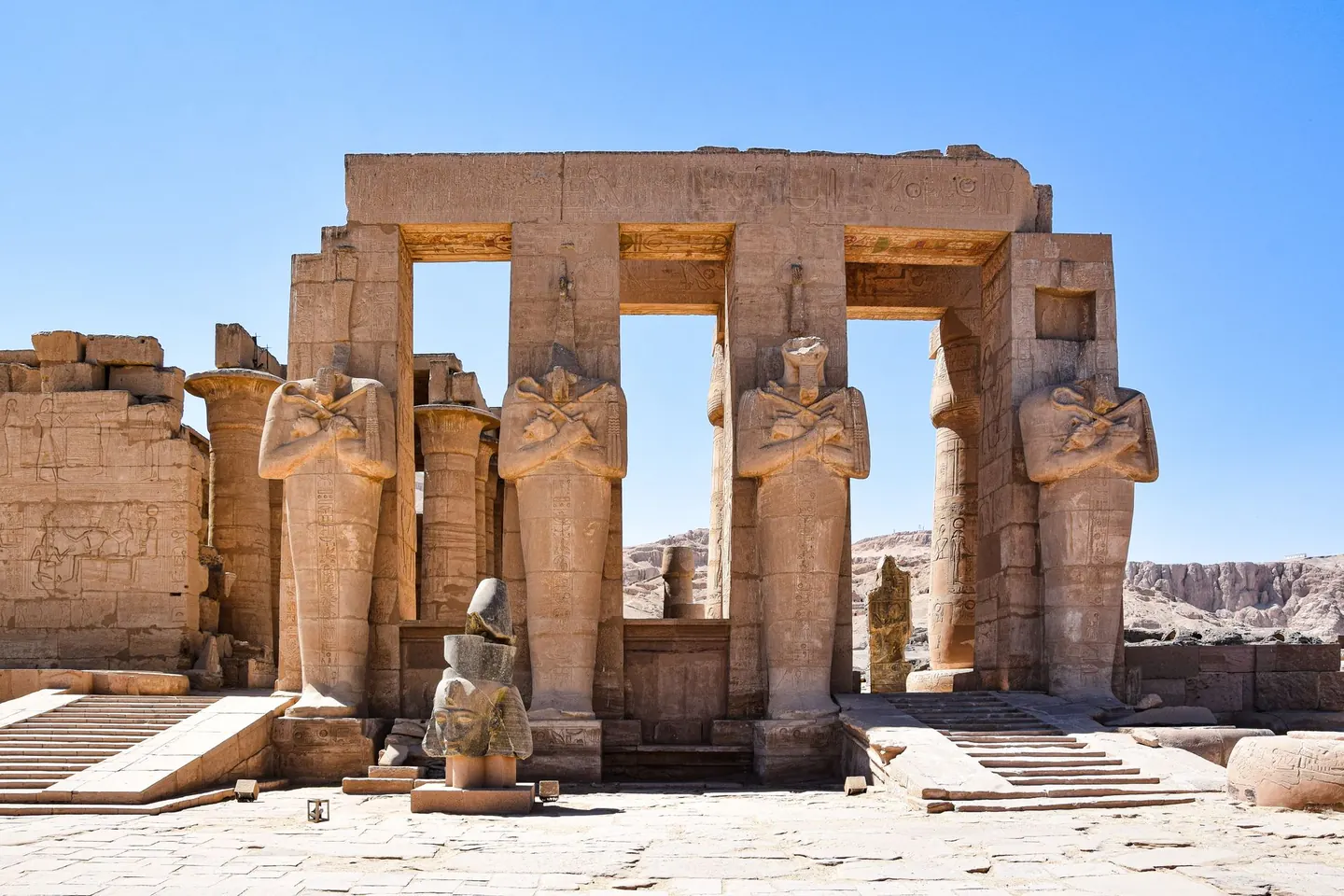
Memphis, the ancient capital of Egypt, was once the political and cultural heart of the Old Kingdom. Today, its scattered ruins offer a glimpse into a glorious past, though much remains buried beneath the palm groves. For the modern traveler, a visit to Memphis is a journey through time, complemented by the nearby necropolis of Saqqara. In this guide, we'll explore what remains to see at this UNESCO World Heritage site and how to make the most of your visit.
Why Visit Memphis?
Memphis was founded around 3100 BC by King Menes and served as the capital for over eight centuries. Its strategic location at the apex of the Nile Delta made it a hub of commerce and administration. Although the city's grand temples and palaces have largely crumbled, the site still houses significant artifacts that testify to its former glory. Visiting Memphis is essential for history enthusiasts and those seeking to understand the foundations of ancient Egyptian civilization.
Key Attractions at Memphis
The Colossus of Ramses II
The most iconic artifact at Memphis is the colossal limestone statue of Ramses II, lying on its back in the open-air museum. This magnificent statue, originally standing over 10 meters tall, was discovered in 1820 and is now housed in a purpose-built pavilion. Despite its damaged state, the intricate carvings on the face and crown are remarkably well-preserved, offering a tangible connection to the great pharaoh.
The Alabaster Sphinx
Another highlight is the Alabaster Sphinx, a smaller yet elegant sphinx carved from a single block of alabaster. Unlike the Great Sphinx at Giza, this one is believed to represent Amenhotep II, and its pristine white stone contrasts beautifully with the surrounding sand. It is one of the best-preserved sphinxes in Egypt.
The Open-Air Museum
The open-air museum at Memphis houses a collection of statues, stelae, and architectural fragments unearthed from the site. Here, you can see a giant quartzite statue of Ramses II, as well as various sphinxes and altars. The museum provides context to the city's former grandeur, with informative signs (in English and Arabic) explaining each piece.
Other Remains
Scattered across the site are the remnants of the great temple of Ptah, once the most important religious complex in Memphis. Although only a few columns and blocks remain, the sheer size of the enclosure gives an idea of its former scale. Additionally, you can find a fallen statue of Ramses II near the entrance, and the remains of a granary and other structures.
Planning Your Visit
Getting There
Memphis is located about 20 kilometers south of Cairo, near the village of Mit Rahina. Most visitors combine it with a trip to Saqqara, as the two sites are only a few kilometers apart. You can hire a taxi or join a guided tour from Cairo. If you're driving, the site is well-signposted and there is ample parking.
Best Time to Visit
The site is open daily from 8:00 AM to 4:00 PM (winter) and 8:00 AM to 5:00 PM (summer). To avoid the heat and crowds, arrive early in the morning. The winter months (November to February) offer the most pleasant temperatures.
Entry Fees
As of 2026, the entry fee for Memphis is approximately 80 EGP for foreigners, with a separate ticket for the open-air museum (around 100 EGP). It's advisable to carry cash, as credit cards may not be accepted. Check the latest prices on the official Ministry of Tourism website.
Staying Connected in Egypt
Exploring ancient sites often means being away from Wi-Fi, but with an Egypt eSIM from eSIM Égypte, you can stay connected throughout your journey. Our eSIM provides unlimited data on 4G/LTE networks across Egypt, including Vodafone, Orange and e&. Whether you need to navigate to Memphis, share your photos in real-time, or translate hieroglyphs, our network coverage ensures you're never offline.
Our plans are simple: unlimited data, with durations ranging from 1 to 30 days. For a day trip to Memphis and Saqqara, the 1-day plan at €6.50 is perfect. If you're staying longer, consider the 3-day or 7-day plans. And with instant QR code delivery by email, you can be connected as soon as you land. Just check your phone compatibility before you go.
Tips for Your Memphis Visit
- Wear comfortable shoes, as the site involves walking on uneven ground.
- Bring a hat, sunscreen, and plenty of water, especially in summer.
- Hire a local guide to get deeper insights into the history of the site.
- Combine your visit with Saqqara and the Step Pyramid of Djoser for a full day of ancient wonders.
- Respect the site: do not climb on the statues or touch the artifacts.
Nearby Attractions
While in the area, don't miss the Saqqara necropolis, home to the famous Step Pyramid. The Serapeum, an underground burial complex for sacred bulls, is also nearby and well worth a visit. If time permits, the Dahshur pyramids, including the Bent Pyramid and Red Pyramid, are just a short drive further south.
Conclusion
Memphis may be a shadow of its former self, but its remaining treasures offer a profound connection to ancient Egypt. From the colossal Ramses II to the elegant Alabaster Sphinx, the site is a must-visit for any traveler interested in history. As you plan your trip, ensure you have reliable connectivity with an Egypt eSIM from eSIM Égypte, so you can share your experiences and navigate with ease. Explore our plans and get ready to step back in time.