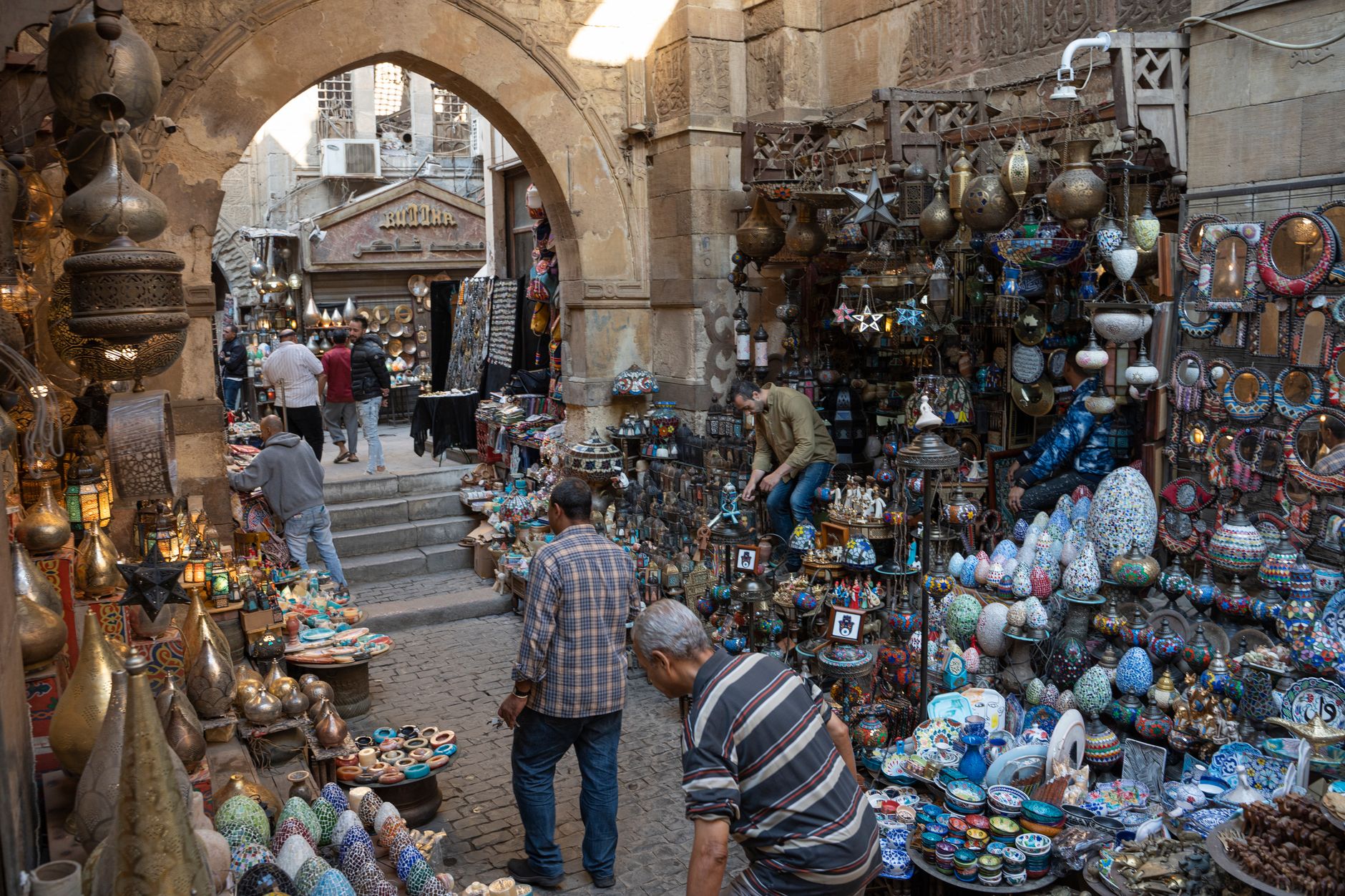
Ramadan in Egypt is a time of spiritual reflection, community, and vibrant nightlife. For travelers, it offers a unique glimpse into Egyptian culture, but it also comes with adjustments in daily routines. In 2026, Ramadan is expected to fall from late February to late March. This guide covers everything you need to know about visiting Egypt during the holy month, including etiquette, opening hours, and how to stay connected with an eSIM.
What is Ramadan and How Does It Affect Travel?
Ramadan is the ninth month of the Islamic lunar calendar, during which Muslims fast from dawn to sunset. In Egypt, daily life shifts: work hours shorten, restaurants close during the day, and the pace slows down. After sunset, the fast is broken with iftar, followed by lively evenings. Tourists are not expected to fast, but should avoid eating, drinking, or smoking in public during daylight hours out of respect.
Etiquette Tips for Travelers in Egypt During Ramadan
- Dress modestly – Cover shoulders and knees, especially in conservative areas.
- Avoid public eating/drinking – Use hotel restaurants or designated tourist areas.
- Be patient – Services may be slower; embrace the relaxed pace.
- Greet with "Ramadan Kareem" – A respectful greeting meaning "Generous Ramadan."
- Enjoy iftar – Many hotels and restaurants offer special iftar buffets.
Opening Hours and Attractions During Ramadan
Tourist Sites
Major attractions like the Pyramids of Giza, the Egyptian Museum, and Luxor temples generally operate on reduced hours, often opening later and closing earlier. Check official websites for updated timings. Some sites may close earlier during iftar.
Shops and Markets
Shopping areas like Khan el-Khalili bazaar come alive after iftar, staying open late into the night. During the day, many shops close for a few hours. Supermarkets and pharmacies remain open but with adjusted hours.
Restaurants
Most restaurants are closed during the day, except those inside hotels and some international chains. After sunset, the streets buzz with food stalls and cafes serving traditional dishes like koshari and ful medames.
Staying Connected: eSIM for Egypt During Ramadan
Reliable internet is essential for navigation, updates, and sharing your journey. eSIM Égypte offers unlimited data plans that work on Egypt's 4G/LTE networks (Vodafone Egypt, Orange Egypt, e& Egypt). With plans from 1 to 30 days, you can choose the perfect duration for your trip. No physical SIM needed – just a QR code delivered instantly to your email. Stay connected for maps, messaging, and social media without worrying about roaming charges.
What to Eat During Ramadan in Egypt
Iftar meals are a highlight. Traditional dishes include dates to break the fast, shorbat ads (lentil soup), sambousak (stuffed pastries), and kunafa (sweet pastry). Street food vendors appear after sunset. Suhoor, the pre-dawn meal, is also a social affair.
Transportation and Logistics
Public transport may run on reduced schedules during the day. Taxis and ride-hailing apps like Uber and Careem remain available. Traffic intensifies just before iftar as people rush home. Plan your movements accordingly. For airport transfers, allow extra time.
Special Ramadan Events and Experiences
Experience the Mawa'ed al-Rahman (charity tables) where locals offer free iftar meals. Many mosques host nightly prayers (taraweeh). The streets are decorated with colorful lanterns called fanous. Cairo's historic districts like Al-Muizz Street are especially atmospheric.
Conclusion
Ramadan in Egypt is a magical time for travelers who respect local customs. With adjusted expectations and a spirit of openness, you'll enjoy authentic cultural moments. Don't forget to stay connected with Egypt eSIM plans from eSIM Égypte – unlimited data means you never run out (fair use: about 1 GB a day at full speed, then 512 Kbps). Check your phone compatibility before you go.