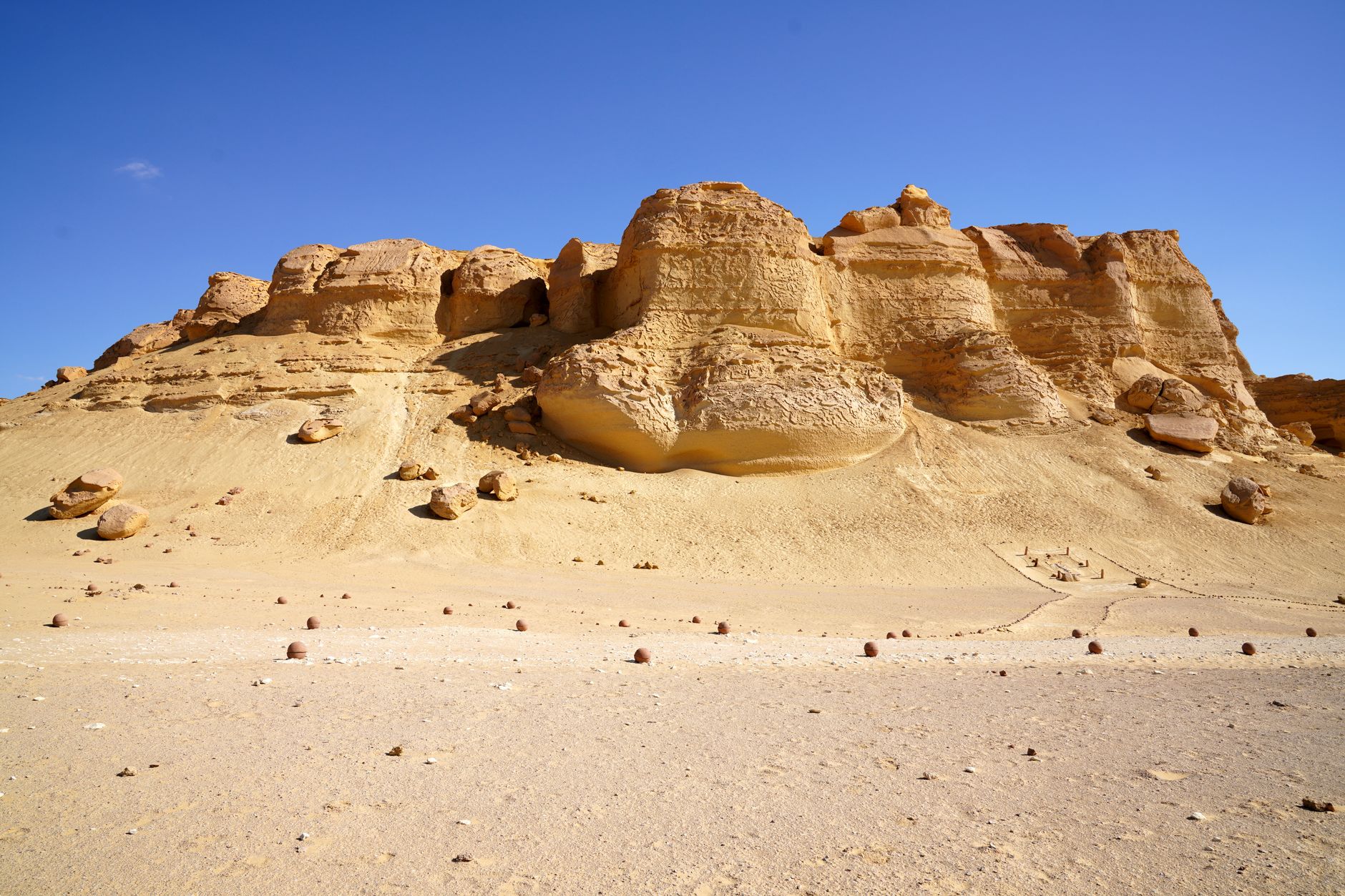
Wadi Natrun, a valley in Egypt's Western Desert, is home to some of the oldest Christian monasteries in the world. For centuries, monks have sought solitude in this arid landscape, creating a spiritual haven that continues to draw pilgrims and travelers alike. If you're planning a trip to Egypt, a visit to these ancient monasteries offers a unique glimpse into the country's religious history.
In this guide, we'll walk you through the must-see monasteries, practical travel advice, and how to stay connected with an Egypt eSIM as you explore the desert.
The History of Wadi Natrun
Wadi Natrun, known in ancient times as Scetis, has been a center of Christian monasticism since the 4th century. The valley's remote location and natural salt lakes provided ideal conditions for hermits seeking isolation. Over the centuries, numerous monasteries were established, though only four remain active today: the Monastery of Saint Macarius, the Monastery of the Syrians, the Monastery of Saint Bishoy, and the Monastery of the Romans.
These monasteries are not just religious sites; they are living communities where monks continue to practice their faith, preserving ancient traditions and manuscripts. The architecture, with its fortified walls and towering keeps, reflects a history of resilience against invasions and desert harshness.
The Four Active Monasteries
Monastery of Saint Macarius
Founded by Saint Macarius the Great in the 4th century, this monastery is one of the most important in Egypt. It houses the relics of several saints and has been a center of Coptic learning. The monastery is known for its extensive library and vibrant spiritual life.
Monastery of the Syrians
Also known as Deir al-Suryan, this monastery was established by Syrian monks in the 6th century. It is renowned for its beautiful frescoes and ancient manuscripts, including some of the earliest Syriac texts. The monastery's church is a masterpiece of Coptic art.
Monastery of Saint Bishoy
Dedicated to Saint Bishoy (Pishoy), a beloved Coptic saint, this monastery is the most active and welcoming to visitors. It features a modern church alongside ancient structures, and the saint's relics are preserved here. Many pilgrims come to seek blessings and spiritual solace.
Monastery of the Romans
The Monastery of the Romans, or Deir al-Baramus, is the most remote and serene. It is named after Roman monks who settled there in the 4th century. The monastery is surrounded by palm groves and offers a peaceful retreat from the outside world.
Practical Tips for Visiting Wadi Natrun
- Location: Wadi Natrun is located about 90 kilometers northwest of Cairo, accessible by car or bus from the capital.
- Opening Hours: Most monasteries are open to visitors from morning to late afternoon, but it's best to check with each monastery or a local guide.
- Dress Code: Modest clothing is required—cover shoulders and knees. Women may be asked to wear a headscarf.
- Photography: Some areas may restrict photography; always ask permission.
- Respect: These are active religious sites, so maintain a quiet and respectful demeanor.
Staying Connected with an Egypt eSIM
While exploring the remote desert monasteries, you'll want to stay connected to share your experiences and navigate. An Egypt eSIM from eSIM Égypte offers unlimited data on 4G/LTE networks, ensuring you have reliable internet access in Egypt, even in more remote areas. With plans starting from €6.50 for 1 day, you can choose the duration that fits your trip. Our eSIM is easy to install—you'll receive a QR code by email immediately after purchase. Check phone compatibility before you travel.
For more information on coverage, visit our network coverage page. If you have any questions, our support team is ready to assist via email in English or French—see our contact page.
Why Visit Wadi Natrun?
Wadi Natrun offers a rare opportunity to step back in time and experience the austere beauty of desert monasticism. The peaceful atmosphere, combined with the rich history and stunning art, makes it a memorable destination for cultural and spiritual travelers. Whether you're a history enthusiast, a pilgrim, or simply curious, the monasteries of Wadi Natrun are a testament to Egypt's diverse heritage.
As you plan your journey, remember that staying connected is easy with an eSIM. For a hassle-free experience, consider our Egypt eSIM plans—unlimited data, instant delivery, and affordable prices. We also have a FAQ section that might answer your questions.
Conclusion
Wadi Natrun is a hidden gem in Egypt's desert, offering a profound connection to early Christianity. With its ancient monasteries, tranquil surroundings, and spiritual significance, it's a must-visit for those seeking a deeper understanding of Egypt's religious history. Ensure a smooth trip by staying connected with an eSIM from eSIM Égypte, and explore with confidence.