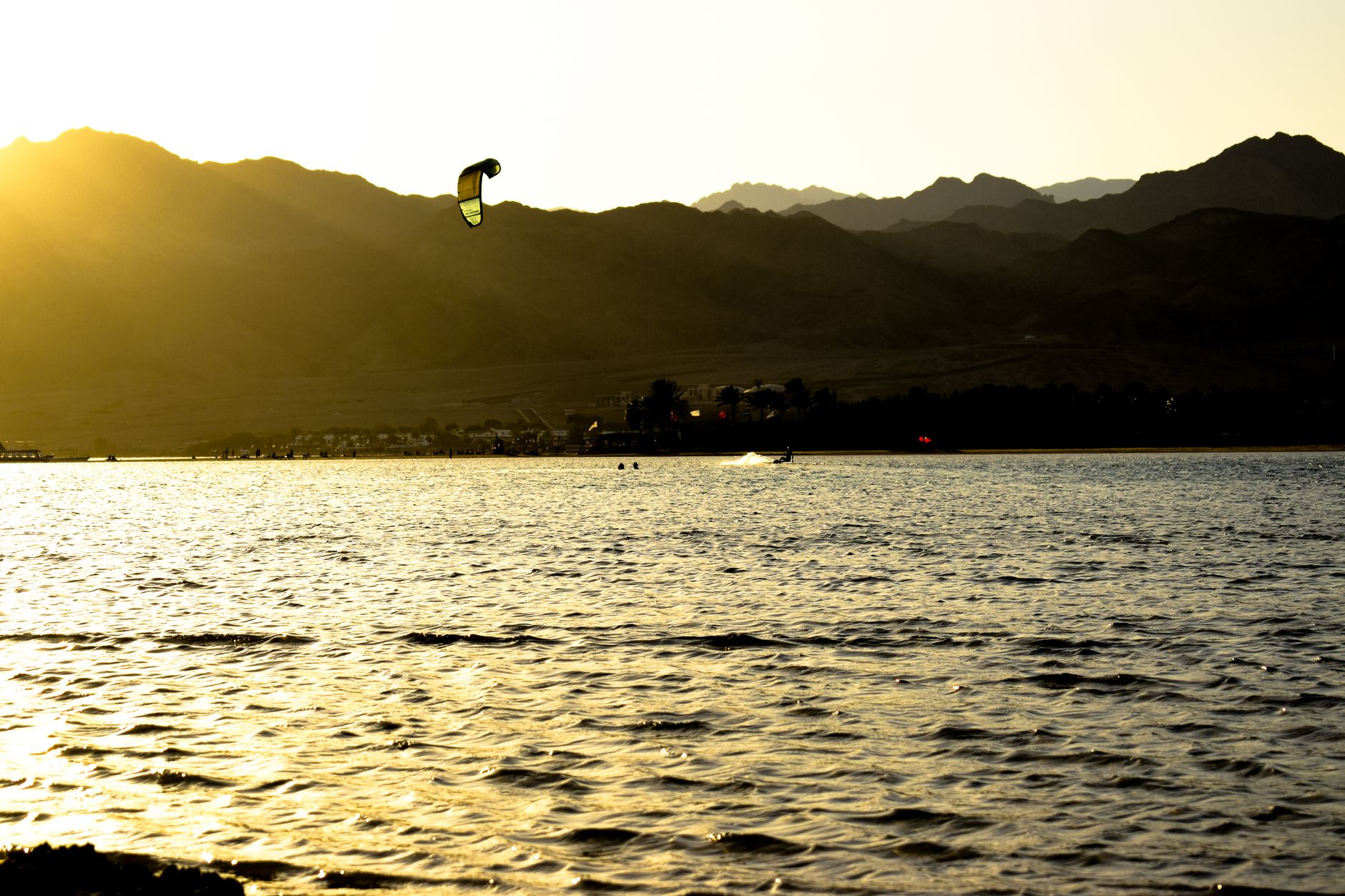
The Blue Hole in Dahab is one of the most iconic dive sites on the planet, drawing thousands of divers each year to Egypt's Sinai Peninsula. Its crystal-clear waters, vibrant coral, and dramatic underwater arch make it an unforgettable experience. However, the Blue Hole also has a notorious reputation, often called the 'diver's cemetery' due to its high number of fatalities. But don't let that scare you: with proper preparation, respect for the environment, and adherence to safety protocols, you can dive the Blue Hole safely and enjoy one of the world's greatest underwater adventures.
In this guide, we'll cover everything you need to know about diving the Blue Hole safely, from understanding the site's unique challenges to practical tips for your dive. We'll also discuss how to stay connected during your trip with a reliable Egypt eSIM, ensuring you can access dive briefings, weather updates, and emergency contacts.
Understanding the Blue Hole
The Blue Hole is a submarine sinkhole located about 10 kilometers north of Dahab. It's famous for its deep blue circular opening, which drops straight down to over 100 meters. The site features a shallow lagoon, a coral reef, and a famous 'arch' that connects the Blue Hole to the open sea at around 55 meters depth. This arch is a major attraction for experienced technical divers, but it's also the site of many accidents.
The Arch: A Tempting but Dangerous Feature
The arch is a natural tunnel that starts at about 55 meters and exits into the open sea at around 60 meters. It's a breathtaking swim, but it requires advanced training, proper gas mixtures, and deep-diving experience. Most fatalities at the Blue Hole occur when recreational divers attempt to swim through the arch without the necessary certification or equipment, leading to nitrogen narcosis, oxygen toxicity, or simply running out of air.
Essential Safety Tips for Diving the Blue Hole
To dive the Blue Hole safely, follow these guidelines from experienced dive professionals:
- Get certified: Never attempt to dive the Blue Hole without at least an Advanced Open Water Diver certification. For the arch, you need a Deep Diver specialty and technical dive training.
- Dive with a guide: Always use a reputable dive center in Dahab. A local guide knows the site's conditions and can keep you safe.
- Respect depth limits: For recreational divers, the maximum depth is 30 meters. Stay within your limits; the arch is not for you.
- Check your equipment: Ensure your gear is well-maintained and that you have a pressure gauge, dive computer, and a surface marker buoy.
- Monitor your air: The Blue Hole's deep drop-offs can cause you to descend faster than you realize. Keep an eye on your air consumption and depth.
- Beware of nitrogen narcosis: At depths below 30 meters, nitrogen narcosis can impair your judgment. If you feel its effects, ascend to a shallower depth.
- Plan your dive: Always plan your dive profile, including bottom time and decompression stops if needed. Use a dive computer to track your depth and time.
Why Divers Get into Trouble at the Blue Hole
Understanding the common causes of accidents can help you avoid them:
- Overconfidence: Many divers underestimate the risks and overestimate their abilities.
- Lack of training: Attempting the arch without proper technical training is the most common fatal mistake.
- Poor buoyancy control: The sudden depth changes can lead to uncontrolled descents.
- Inadequate gas management: Running out of air at depth is a leading cause of death.
- Environmental factors: Strong currents or cold water can increase stress and air consumption.
Choosing the Right Dive Center in Dahab
Your safety starts with the dive center you choose. Look for a center with experienced instructors, good safety records, and proper equipment. Many dive centers in Dahab offer guided dives to the Blue Hole, and they will provide a thorough briefing before the dive. Don't hesitate to ask about their safety procedures and emergency plans.
Staying Connected: The Role of an Egypt eSIM
While diving, you'll be disconnected from the world, but before and after your dive, staying connected is crucial. You'll need to check weather forecasts, communicate with your dive center, and share your experiences with loved ones. An Egypt eSIM from eSIM Égypte ensures you have reliable 4G/LTE coverage in Dahab and throughout Egypt. With unlimited data, you can use navigation apps, check dive conditions, and stay in touch without worrying about running out of data. Plus, our eSIM is easy to install and activates instantly, so you're connected the moment you land.
Our eSIM uses the best networks in Egypt (Vodafone, Orange, Etisalat) to give you fast and stable internet. Whether you're planning your dive, uploading photos, or video-calling family, you can do it all without limits. And if you have any questions, our support team is available in English and French to help you.
Practical Tips for Your Blue Hole Dive
Here are some additional tips to make your dive safe and enjoyable:
- Arrive early: The morning is the best time to dive, with calmer conditions and better visibility.
- Warm up: Do some stretching before the dive to prevent cramps.
- Stay hydrated: Drink plenty of water, but avoid alcohol the night before.
- Listen to your body: If you feel unwell or tired, don't dive. There's always another day.
- Use a dive flag: Deploy a surface marker buoy to alert boats to your position.
Exploring Beyond the Blue Hole
Dahab offers more than just the Blue Hole. Other dive sites include the Canyon, the Bells, and the Lighthouse. If you're not a certified diver, you can take a Discover Scuba Diving course or enjoy snorkeling in the shallow reef gardens. The area is also great for hiking, camel rides, and exploring the Bedouin culture.
Final Thoughts: Dive Safe, Dive Smart
The Blue Hole is a bucket-list destination for many divers, but it demands respect. By following safety guidelines, diving with a professional, and staying within your limits, you can have a safe and unforgettable experience. Remember, the ocean will always be there, so there's no need to take unnecessary risks.
Before you travel, make sure you have your Egypt eSIM sorted. With eSIM Égypte, you'll enjoy seamless connectivity throughout your trip, from Dahab to Cairo and everywhere in between. Check your phone's compatibility here and see our coverage to ensure you're covered. If you have any questions, our FAQ or contact page can help.
Ready to dive into your Egyptian adventure? Get your Egypt eSIM plan today and stay connected from the moment you arrive.