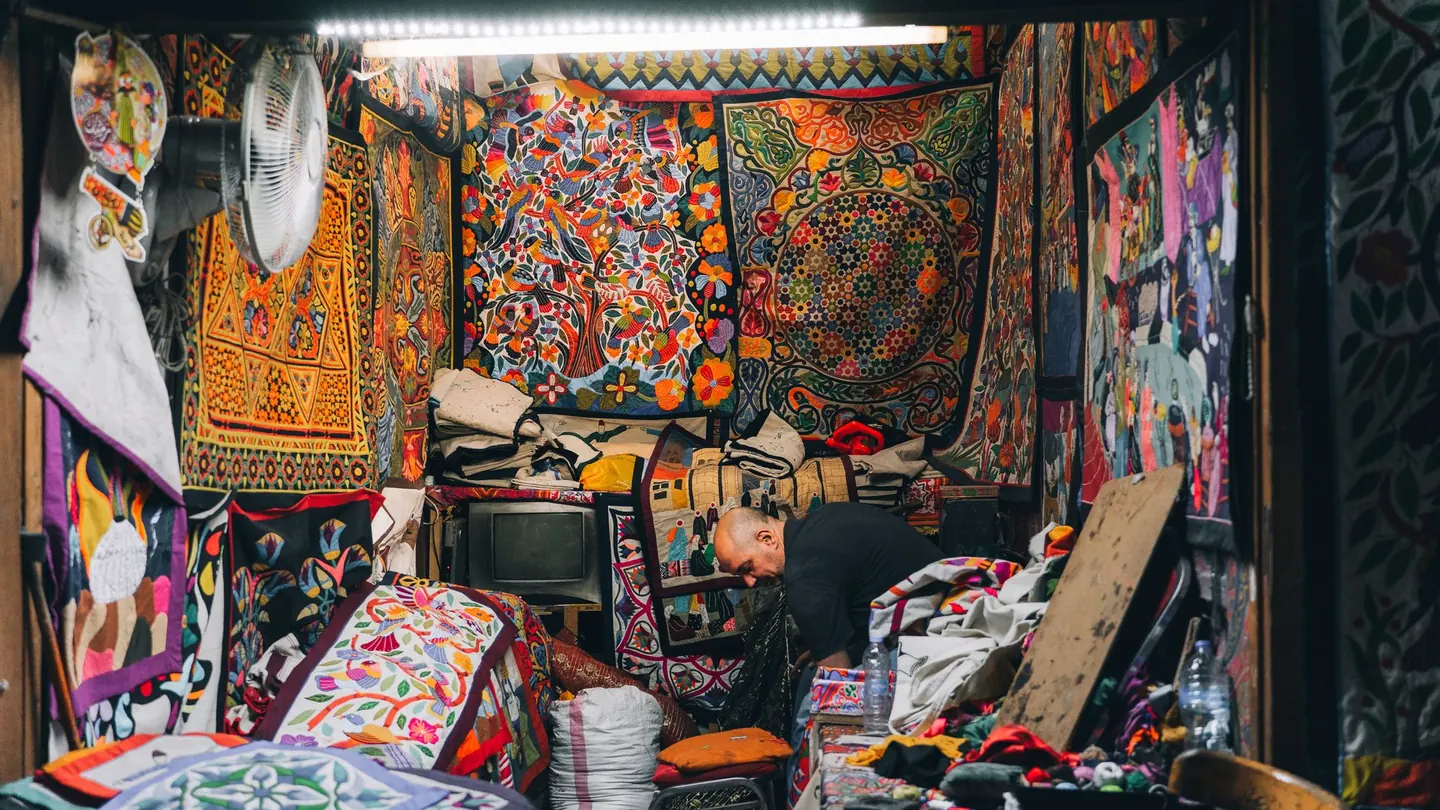
Egypt is a sensory overload: the scent of spices, the shimmer of gold cartouches, the rough linen of a galabeya. Choosing souvenirs is part of the adventure, but knowing what to pay—and how to stay connected while you shop—can make or break the experience. This guide covers the best Egyptian keepsakes, fair prices, and a smart connectivity solution for travelers.
What to Buy: Iconic Egyptian Souvenirs
From Cairo's Khan el-Khalili to Aswan's souks, here are the treasures worth your suitcase space.
Pharaonic Artifacts (Replicas, of Course)
Alabaster statues of Nefertiti, scarabs, and Ankh crosses are everywhere. Quality varies—hand-carved pieces from Luxor are finer than factory-made ones in Cairo. A small alabaster piece costs $5–$15; larger carvings $30–$80. Always bargain, but don't insult the craft.
Papyrus Paintings
Authentic papyrus is made from the papyrus plant, not banana leaves (a common scam). Look for a woven texture and ask to see it held to the light. Prices range from $3 for small bookmarks to $50 for large, detailed scenes. Buy from reputable galleries in Cairo or Luxor.
Spices, Oils & Perfumes
Egyptian spice markets are a feast: cumin, coriander, hibiscus, and the famous dukkah mix. Perfume oils, especially jasmine and lotus, are concentrated and long-lasting. Expect to pay $2–$10 for spices, $10–$30 for 10ml of quality oil. Make sure containers are sealed for the flight.
Egyptian Cotton & Galabeyas
Egyptian cotton is world-renowned. Buy bed linens, towels, or a traditional galabeya (robe). Prices: a quality cotton scarf $5, a set of sheets $30–$100. For a galabeya, $15–$40 depending on embroidery. Check the cotton label to ensure it's 100% Egyptian.
Jewelry with a Story
Silver cartouche necklaces with your name in hieroglyphs are a classic. Price depends on silver weight and detail—typically $10–$50. Gold versions are pricier. Also look for Bedouin silver jewelry with turquoise or coral from Siwa.
Leather Goods & Handicrafts
Leather sandals, bags, and camel saddles are handmade in Cairo's old city. A pair of sandals costs $10–$25. Also consider inlaid wood boxes, mother-of-pearl items, and colorful glass lamps ($20–$100).
What to Pay: Haggling like a Local
Bargaining is expected. Start at 30–50% of the asking price, then negotiate up. Smile, be friendly, and walk away if needed—sellers often call you back. Pay in Egyptian pounds (EGP) for small items; dollars are accepted but you'll get a better deal in local currency. Use a money converter app to stay aware.
What to Avoid: Tourist Traps
Steer clear of "antiquities" that look too old—they're either fake or illegal to export. Also avoid "papyrus" that is smooth and shiny (it's likely banana leaf). Don't buy ivory or coral products; they're often prohibited. And beware of "perfume oils" that are diluted—buy from reputable shops with fixed prices.
How to Stay Connected While Souvenir Shopping
Navigating souks with a phone is essential—for translation, maps, and sharing photos. But roaming can be expensive. A better option is an Egypt eSIM from eSIM Égypte, which gives you unlimited data throughout your trip. You can compare pricing to find the right duration for your stay. Check network coverage to ensure you're connected in major cities and even remote areas like Siwa.
With an eSIM, you get instant activation—just scan a QR code. No need to hunt for a physical SIM at the airport. Plus, you can check your phone compatibility before you buy. If you have questions, our FAQ has answers, or contact us.
Fair Use Policy: What "Unlimited" Really Means
Our eSIM plans offer unlimited data volume—no worries about running out. However, to ensure fair use, after approximately 1 GB of high-speed data per day, the speed is reduced to 512 Kbps until the next day. This is perfect for messaging, maps, and social media, but not for HD video streaming. For heavy use, consider a longer plan to spread your data.
Conclusion
Egypt offers treasures for every taste and budget. Remember to haggle, choose quality, and avoid fakes. And for a smooth trip, secure an Egypt eSIM before you land—unlimited data, instant delivery, and support in French and English. Shop with confidence, stay connected, and bring home memories that last.