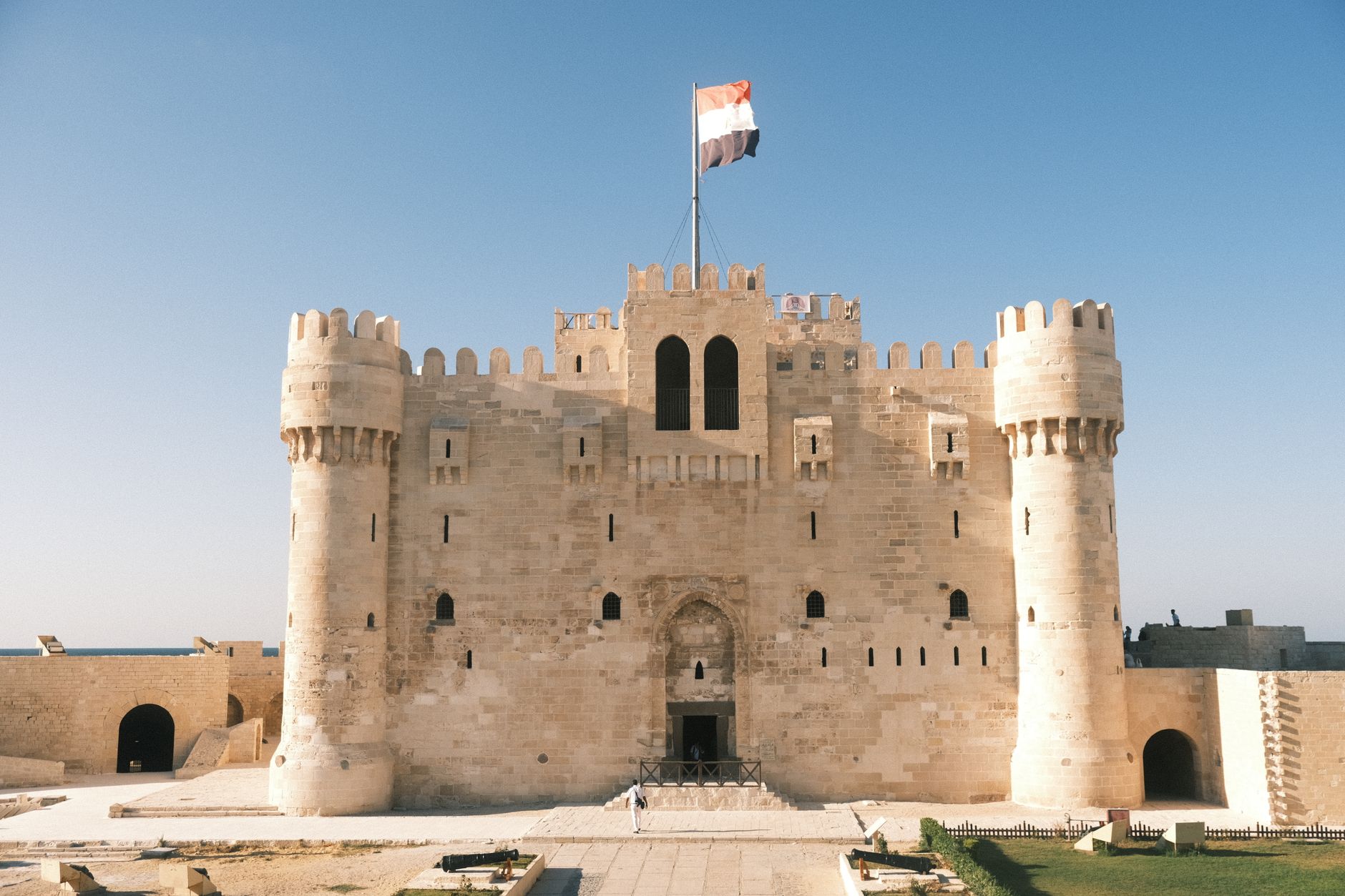
Standing sentinel at the entrance of Alexandria's Eastern Harbor, the Qaitbay Citadel is one of Egypt's most iconic landmarks. This 15th-century fortress, built upon the ruins of the legendary Lighthouse of Alexandria, offers a captivating blend of history, architecture, and Mediterranean views. For travelers exploring Egypt, a visit to Qaitbay Citadel is a journey through time, from the ancient wonders of the Pharos to the Mamluk era and beyond.
In this comprehensive guide, we'll delve into the rich history of the citadel, provide practical tips for your visit, and show you how to stay connected with an Egypt eSIM from eSIM Égypte so you can share your experiences instantly.
The History of Qaitbay Citadel
The story of Qaitbay Citadel is intertwined with one of the Seven Wonders of the Ancient World: the Lighthouse of Alexandria. Built by Ptolemy II between 280 and 247 BC, the lighthouse guided sailors for over 1,500 years until a series of earthquakes, most notably in the 14th century, left it in ruins. In 1477, Sultan Al-Ashraf Qaitbay of the Mamluk Sultanate ordered the construction of a fortress on the same site, using the fallen stones and marble from the ancient lighthouse. This strategic location allowed the citadel to defend the city against potential invaders, particularly from the Ottoman Empire.
The Mamluk Fortress
The citadel was completed in just two years, a testament to the urgency of its defensive purpose. It was designed as a rectangular fortress with thick walls, corner towers, and a central keep. The main tower, which still stands today, offered a commanding view of the harbor and the Mediterranean Sea. The citadel served as a military stronghold for centuries, housing troops, weapons, and even a mosque.
Ottoman and Modern Era
During the Ottoman period, the citadel continued to play a vital defensive role. However, by the 19th century, its military importance had waned, and it fell into disrepair. In 1882, during the British bombardment of Alexandria, the citadel was heavily damaged. It wasn't until the 20th century that restoration efforts began. The Egyptian government undertook extensive renovations, and in 1984, the citadel was opened to the public as a museum and historical site.
Visiting Qaitbay Citadel: What to Expect
Today, Qaitbay Citadel is a must-visit attraction in Alexandria. Here's what you need to know before you go:
Opening Hours and Tickets
- Hours: The citadel is open daily from 9:00 AM to 5:00 PM, with the last entry at 4:30 PM.
- Tickets: As of 2026, the entrance fee is 100 EGP for foreign tourists (approximately €5). Egyptian nationals and students may receive discounts.
- Facilities: There are restrooms and a small café on-site. The citadel is not fully wheelchair accessible due to stairs.
Exploring the Citadel
Inside, you can wander through the various rooms and corridors, climb the towers, and enjoy panoramic views of the Mediterranean and the city skyline. The citadel also houses a maritime museum, displaying artifacts related to Alexandria's naval history. Don't miss the opportunity to watch the sunset from the ramparts—it's a magical experience.
Practical Tips for Your Visit
To make the most of your trip to Qaitbay Citadel, keep these tips in mind:
- Best Time to Visit: Go early in the morning or late in the afternoon to avoid the heat and crowds. The light is also better for photography.
- Dress Modestly: As a historical and religious site, it's respectful to cover shoulders and knees.
- Bring Water: It can get hot, especially in summer. Stay hydrated.
- Combine with Other Sites: The citadel is near other attractions like the Alexandria National Museum and the Corniche. Plan a full day exploring.
- Hire a Guide: For a deeper understanding of the history, consider hiring a licensed guide or using an audio guide.
Stay Connected with eSIM Égypte
Exploring Alexandria and the rest of Egypt is much easier when you have reliable internet access. With an Egypt eSIM from eSIM Égypte, you can enjoy unlimited data on the country's top networks—Vodafone, Orange and e&—without the hassle of physical SIM cards or roaming charges. Our plans are designed for travelers like you, offering instant delivery via QR code to your email. Whether you need to navigate the city, share your experiences on social media, or video call your loved ones, stay connected throughout your journey.
Choose from flexible durations—1, 3, 5, 7, 10, 15, or 30 days—all with unlimited data. Check your phone's compatibility and coverage to ensure a seamless experience. If you have any questions, our support team is available in English and French.
Beyond the Citadel: Alexandria's Other Gems
While Qaitbay Citadel is a highlight, Alexandria has much more to offer. Visit the Bibliotheca Alexandrina, a modern tribute to the ancient library, stroll along the Corniche, or explore the catacombs of Kom El Shoqafa. The city's rich Greco-Roman heritage is evident in its museums and ruins, making it a fascinating destination for history buffs.
Conclusion
Qaitbay Citadel is more than just a fortress—it's a symbol of Alexandria's enduring legacy. From its ancient roots to its medieval grandeur, it offers a unique glimpse into Egypt's multifaceted history. Plan your visit with our tips, and don't forget to stay connected with an Egypt eSIM from eSIM Égypte. Enjoy your journey through the land of the Pharaohs!