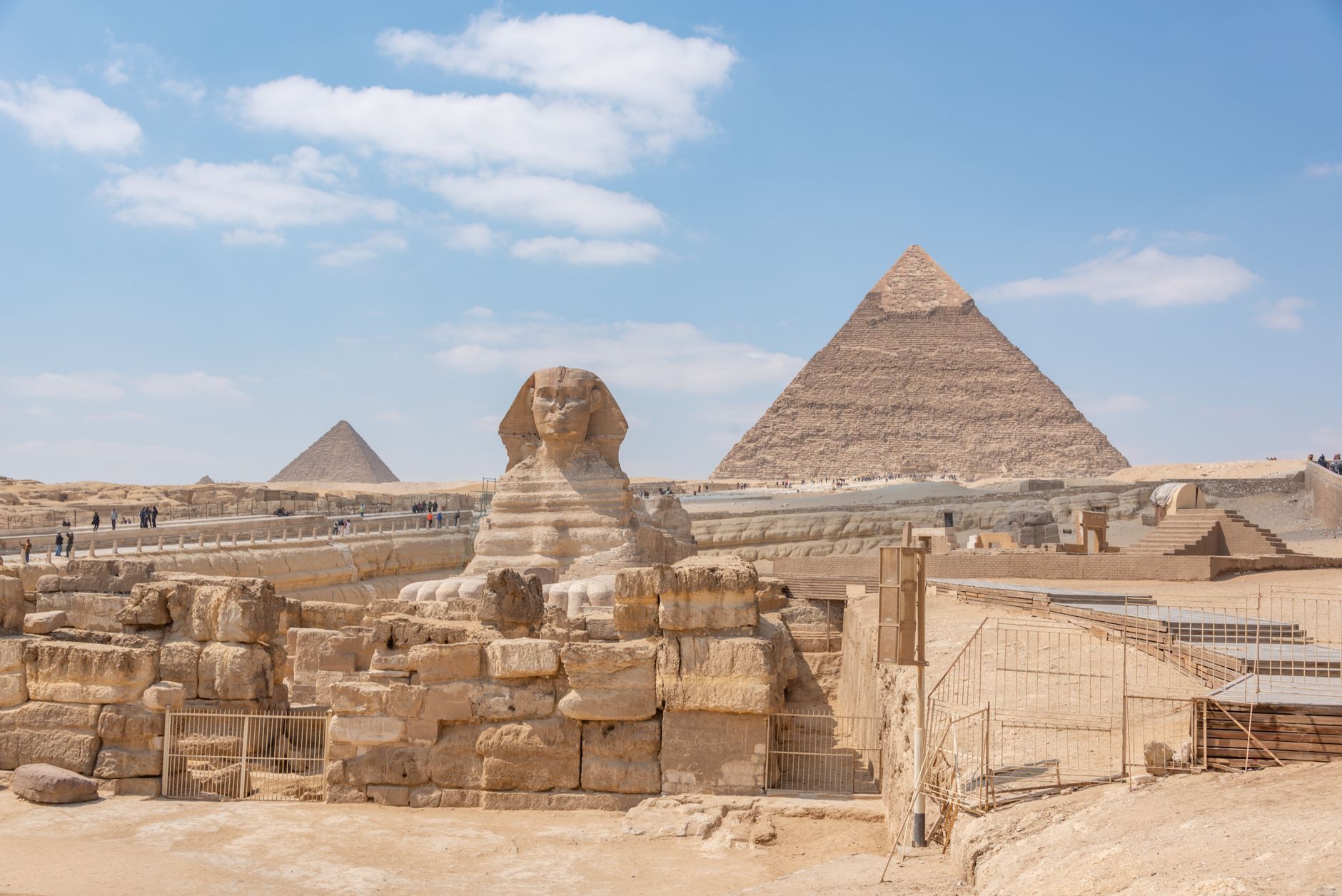
Standing before the Great Pyramid of Giza, the last surviving Wonder of the Ancient World, is a once-in-a-lifetime experience. But can you truly visit the Pyramids of Giza and see the highlights of Cairo in just one day? The answer is yes—with careful planning. This guide covers everything you need: the best itinerary, insider tips, and how to stay connected with a reliable Egypt eSIM so you can navigate, share, and explore without worry.
Why Visit the Pyramids of Giza?
The Pyramids of Giza are Egypt's most iconic landmark, located just 13 kilometers southwest of central Cairo. Built over 4,500 years ago, these monumental tombs of Pharaohs Khufu, Khafre, and Menkaure continue to awe visitors. A one-day trip from Cairo is not only possible but highly rewarding if you plan your morning at the pyramids and afternoon in the city.
How to Get from Cairo to the Pyramids
Most travelers stay in central Cairo (e.g., Zamalek, Downtown, or Garden City). The drive to Giza takes 30–60 minutes depending on traffic. Options include:
- Taxi or ride-hailing (Uber/Careem): Most convenient, around 150–250 EGP one way.
- Private tour: Includes guide and driver, often includes lunch.
- Public bus or metro: Cheaper but time-consuming. Metro to Giza station then a taxi.
Whichever you choose, having a local Egypt eSIM ensures you can book rides, check maps, and stay in touch without roaming fees.
Best Time to Visit the Pyramids
Arrive at the Giza Plateau by 7:00–8:00 AM to beat the heat and crowds. The site opens at 8:00 AM (winter) or 6:00 AM (summer). Morning light is perfect for photos, and you'll have a few hours before tour buses arrive. Avoid Fridays and public holidays when locals visit in large numbers.
One-Day Itinerary: Pyramids + Cairo
Morning (7:00 AM – 12:00 PM): Giza Plateau
- Enter the complex: General admission is 240 EGP (foreigners). Extra tickets for the Great Pyramid interior (440 EGP) or Solar Boat Museum (200 EGP).
- Must-see spots: Great Pyramid of Khufu, Pyramid of Khafre, Pyramid of Menkaure, the Sphinx, and the panoramic viewpoint.
- Optional camel ride: Negotiate price beforehand (around 200–400 EGP for 30 minutes).
- Photography: Best shots from the west side (panoramic spot) or near the Sphinx.
Lunch (12:00 PM – 1:00 PM)
Head back toward Cairo for lunch. Popular districts: Zamalek or Downtown. Try local dishes like koshari, ful medames, or grilled meats at a restaurant like Abou El Sid or Koshari Abou Tarek.
Afternoon (1:00 PM – 5:00 PM): Cairo Highlights
Spend the afternoon exploring one or two of these:
- Egyptian Museum (Tahrir Square): Home to Tutankhamun's treasures. Allow 2 hours.
- Khan el-Khalili Bazaar: Historic souk for souvenirs, spices, and jewelry. Haggle politely.
- Al-Azhar Mosque or Sultan Hassan Mosque: Stunning Islamic architecture.
- Nile Felucca ride (optional): A relaxing 1-hour sail at sunset.
If you have time, consider the Grand Egyptian Museum (GEM) near Giza, partially open in 2026—but it's massive, so save it for a longer trip.
Evening (5:00 PM onward)
Wrap up with a stroll along the Nile Corniche or dinner at a rooftop restaurant with a view of the river. If you have an evening flight, head to the airport 2–3 hours before departure.
Essential Tips for a Smooth Day
- Buy tickets in advance online to skip queues.
- Dress modestly and wear comfortable shoes. Sunscreen and hat are mandatory.
- Bring cash in Egyptian pounds (small bills for tips and vendors).
- Stay hydrated—carry a water bottle.
- Stay connected: A local Egypt eSIM from eSIM Égypte gives you instant data upon arrival. No physical SIM needed, and you can check your phone compatibility online. Coverage includes 4G LTE across Cairo and Giza via Egypt network coverage partners.
Conclusion
Visiting the Pyramids of Giza and Cairo in one day is an ambitious but achievable adventure. With a solid plan, you can witness ancient wonders and modern Egyptian life in a single whirlwind day. To make your trip seamless, equip yourself with an Egypt eSIM from eSIM Égypte—instant activation, reliable data, and no hidden fees. Browse our plans to stay connected from the moment you land.