Egypt is a photographer's paradise, with millennia of history and breathtaking landscapes. But before you snap that perfect shot of the pyramids, you need to know the local rules. This guide covers photography permits, restrictions, and practical tips for capturing Egypt's wonders without a hitch.
Whether you're a professional with a DSLR or a casual smartphone shooter, understanding the dos and don'ts will save you from fines and hassles. Plus, we'll show you how to stay connected with an Egypt eSIM so you can share your photos instantly.
General Photography Rules in Egypt
Egypt is generally welcoming to photographers, but there are important rules to follow. The Ministry of Tourism and Antiquities regulates photography at archaeological sites, and some locations require special permits.
Where Photography is Allowed
Most ancient temples, tombs, and museums allow photography for personal use. However, flash photography is often prohibited to protect delicate artifacts and paintings.
Where Photography is Restricted
Certain areas, especially inside tombs (like those in the Valley of the Kings) and some museums, ban photography entirely. Military zones, border areas, and government buildings are also off-limits. Always look for signs or ask a guide.
Photography Permits for Egypt's Sites
For most tourists, a standard entry ticket covers personal photography. However, professional shoots, commercial projects, or using a tripod may require a separate permit.
How to Obtain a Photography Permit
Permits are issued by the Ministry of Tourism and Antiquities. You can apply in advance through their office in Cairo or at major sites. Expect to pay a fee, and processing may take a few days. For commercial shoots, a production company often handles this.
Tip: If you're a travel blogger or influencer, consider getting a permit to avoid issues. It's also wise to carry a copy of your passport and visa.
Specific Site Rules: Pyramids, Temples, and More
Each major site has its own nuances. Here's a breakdown:
Giza Pyramids
The Giza Plateau allows photography, but drone use is strictly prohibited. Climbing the pyramids is illegal, and be prepared for extra fees if you bring a tripod. The Solar Boat Museum inside also bans photography.
Luxor and Karnak Temples
These open-air temples generally permit photography, but the Luxor Museum and Mummification Museum do not. Inside tombs in the Valley of the Kings, photography is forbidden to preserve the colors.
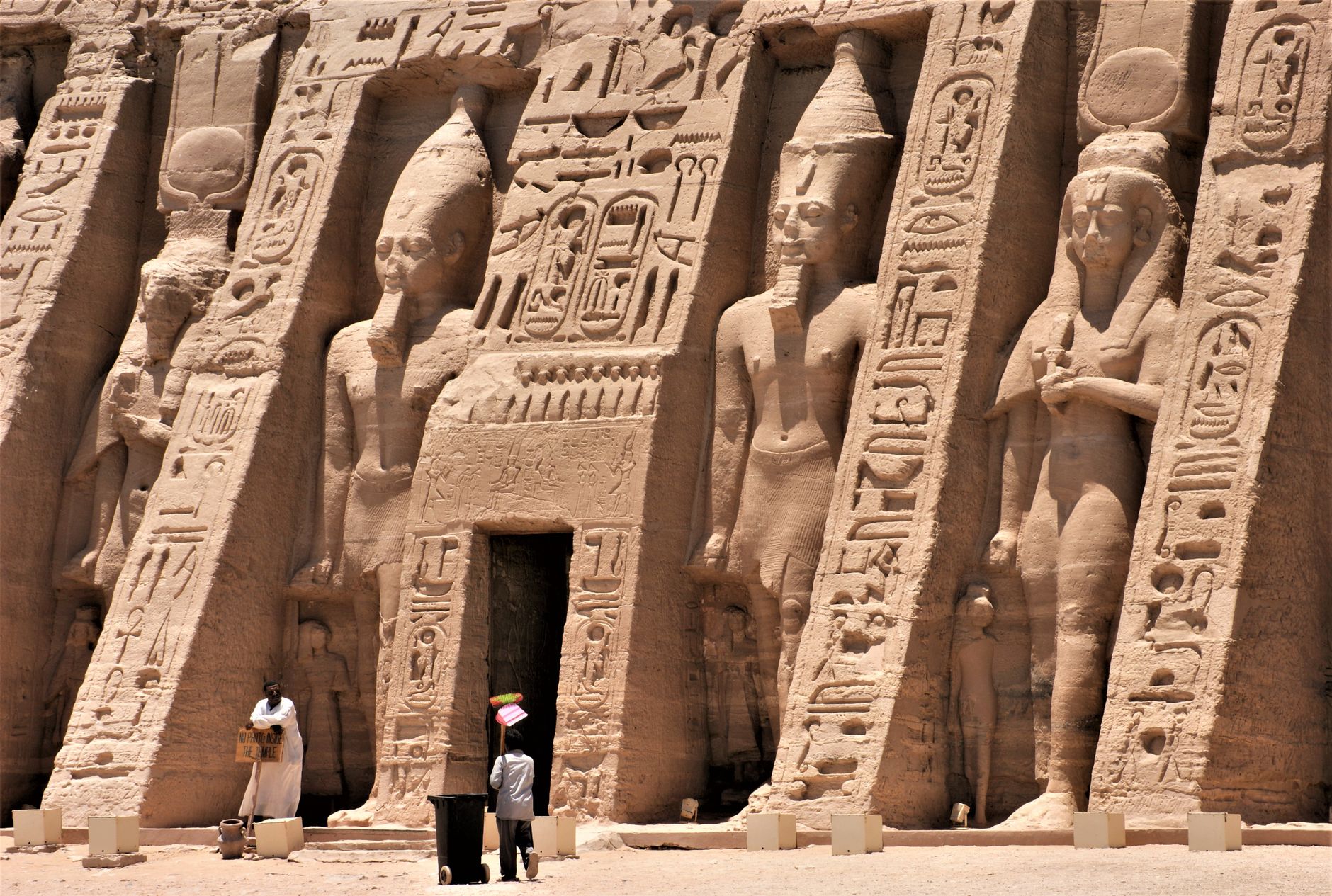
Abu Simbel
Photography is allowed outside, but inside the temple, flash is banned. The site is remote, so plan your visit carefully.
Drones and Special Equipment
Drone photography is heavily regulated in Egypt. You must get special permission from the Civil Aviation Authority, which is rarely granted for tourists. Flying a drone without a permit can lead to confiscation and fines. Similarly, using heavy lighting equipment may require a permit.
For most travelers, a smartphone or standard camera is enough. If you need to share your photos on the go, an eSIM for Egypt gives you unlimited data to upload and stay in touch.
Tips for Photographers Visiting Egypt
- Respect local customs: Ask before photographing people, especially women and locals.
- Be mindful of security: Some sites have undercover guards; always comply with instructions.
- Keep your gear safe: Use a sturdy bag and avoid flashy equipment in crowded areas.
- Check the weather: Sandstorms can damage cameras; use protective covers.
- Stay connected: With an Egypt network coverage from eSIM Égypte, you'll have reliable internet to research rules and share your journey.
Common Mistakes to Avoid
Many travelers unknowingly break rules. Here are pitfalls to steer clear of:
- Using flash in tombs – it can cause irreversible damage.
- Taking photos at military checkpoints – this can be dangerous.
- Assuming you can fly a drone anywhere – always check regulations.
- Not carrying your passport – you may need it to prove your identity.
Staying Connected While Exploring
To navigate Egypt and share your stunning photos, you need reliable internet. Egypt eSIM plans from eSIM Égypte offer unlimited data, so you can upload without worrying about data limits. With coverage from Vodafone Egypt, Orange Egypt, and e& Egypt, you'll stay connected in cities and remote areas.
Check phone compatibility before you travel, and you'll receive a QR code by email instantly. If you have questions, our FAQ has answers.
Conclusion
Photographing Egypt's sites is a rewarding experience, but it comes with responsibilities. By following the rules and obtaining necessary permits, you can capture incredible memories without stress. Remember to respect the sites and locals, and stay connected with an Egypt eSIM for a seamless trip. Happy shooting!