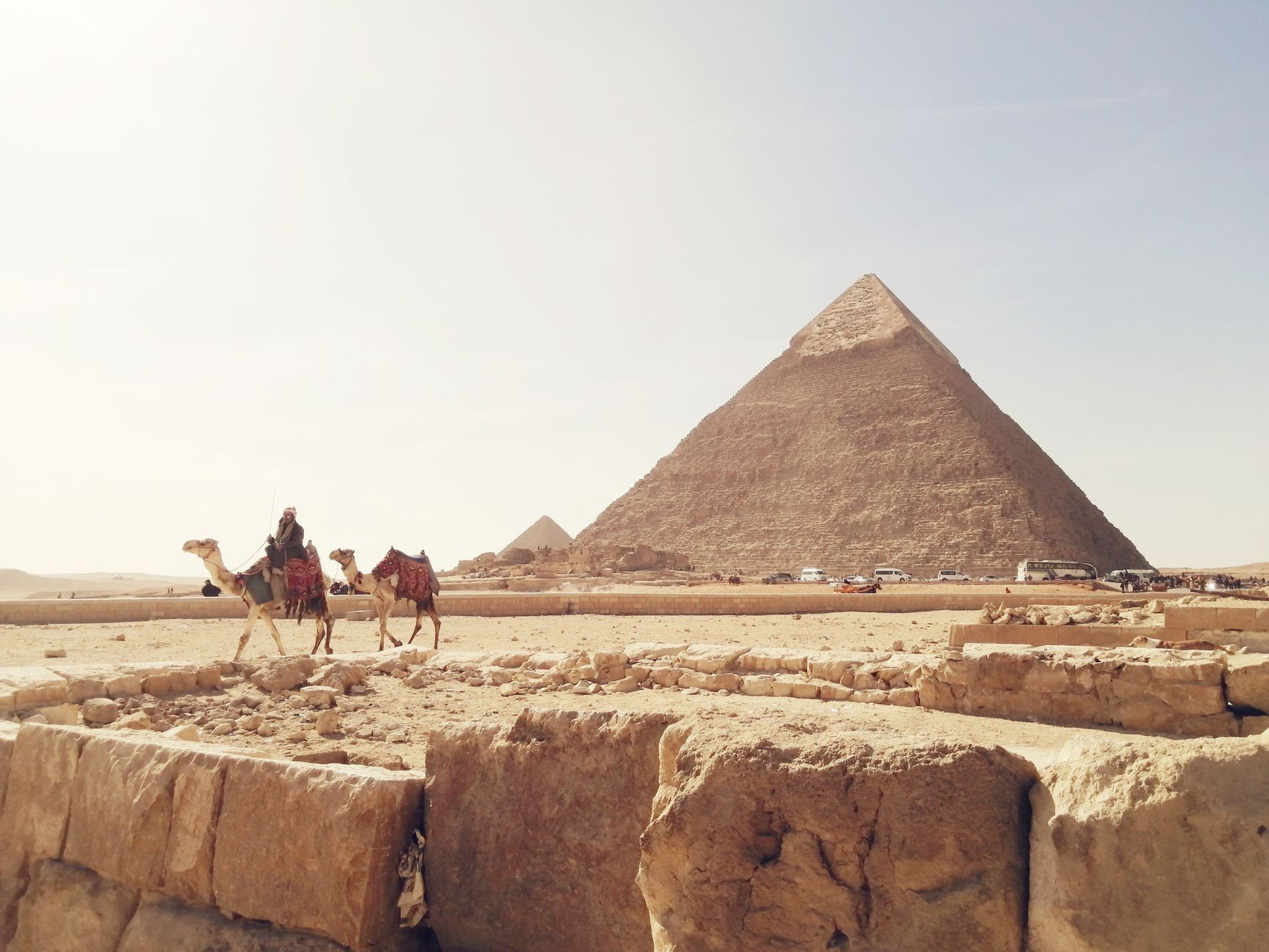
Egypt's ancient wonders—the Pyramids of Giza, the temples of Luxor, the tombs of the Valley of the Kings—are often experienced on horseback or camelback. But behind the postcard-perfect images lie growing concerns about animal welfare. As a responsible traveler, you can enjoy these iconic rides while ensuring the animals are treated with respect. This guide covers the ethical landscape of animal tourism in Egypt and how to make informed choices.
The Reality of Animal Tourism in Egypt
Horses and camels are integral to Egypt's tourism industry. At the Pyramids, camel rides are a quintessential experience. In Luxor, horse-drawn carriages (caleches) line the Corniche. However, reports of overwork, inadequate shelter, and poor veterinary care are common. The Egyptian government has taken steps to improve conditions, but enforcement remains inconsistent.
Common Welfare Issues
- Overworking: Animals may be ridden for hours in extreme heat without rest or water.
- Poor nutrition: Many horses and camels are underfed or fed inappropriate diets.
- Lack of veterinary care: Injuries and illnesses often go untreated.
- Unfit equipment: Ill-fitting saddles and harnesses cause sores and pain.
How to Choose Ethical Animal Experiences
You can still enjoy a camel ride at the Pyramids or a horse ride in Luxor while supporting better welfare. Here's how:
Research Operators in Advance
Look for stables and tour companies that publicly commit to animal welfare. Organizations like Animal Welfare in Egypt and SPARE (Society for Protection of Animal Rights in Egypt) can provide recommendations. Avoid operators that advertise extremely cheap rides—low prices often correlate with poor conditions.
Observe Before You Ride
Spend a few minutes watching how animals are treated. Are they clean? Do they have access to shade and water? Are they calm or stressed? Trust your instincts. If something feels off, choose another operator.
Ask Questions
Don't hesitate to ask the handler about the animal's rest schedule, diet, and veterinary care. A responsible operator will be transparent.
Limit Ride Duration
Opt for shorter rides (30–60 minutes) rather than full-day excursions. This reduces strain on the animal and still gives you a memorable experience.
Alternatives to Animal Rides
If you prefer not to ride, consider these animal-friendly alternatives:
- Walking tours around the Giza Plateau.
- Electric cart tours at the Pyramids (available on-site).
- Bicycle rentals in Luxor's West Bank.
- Boat trips on the Nile to view temples from the water.
Staying Connected While Traveling Ethically
Exploring Egypt's sites often means venturing into areas with limited Wi-Fi. To research ethical operators, share your location with loved ones, and post your responsible travel moments, you need reliable internet. With Egypt eSIM unlimited data from eSIM Égypte, you stay connected on the 4G/LTE networks of Vodafone Egypt, Orange Egypt, and e& Egypt. No physical SIM needed—just a QR code delivered to your email. Our plans start from €6.50 for 1 day up to €86 for 30 days, all with unlimited data (subject to fair use).
Supporting Animal Welfare Organizations
If you witness animal mistreatment, consider reporting it to local authorities or animal welfare groups. Donations to organizations like SPARE or Egyptian Society for Mercy to Animals help fund rescues and advocacy.
Conclusion
Experiencing Egypt on horseback or camelback can be magical when done responsibly. By choosing ethical operators, respecting the animals' needs, and using your smartphone to make informed decisions, you contribute to a more sustainable tourism industry. Before you go, check our Egypt eSIM plans to ensure seamless connectivity throughout your journey.