Egypt, a land of ancient wonders, is also a premier destination for birdwatching. Its unique geographical position at the crossroads of Africa, Asia, and Europe makes it a vital stopover for millions of migratory birds. From the Nile Valley to the Red Sea coast, Egypt offers diverse habitats that attract a remarkable array of species. Whether you're a seasoned birder or a curious traveler, this guide will help you discover the best birdwatching sites and the optimal seasons to visit.
With over 400 bird species recorded, Egypt promises unforgettable sightings. The country's wetlands, deserts, and mountains host both resident and migratory birds, making it a year-round destination. But to catch the spectacular migrations, timing is key. This article explores the top sites, the best seasons, and practical tips for an enriching birdwatching experience.
Why Egypt is a Birdwatcher's Paradise
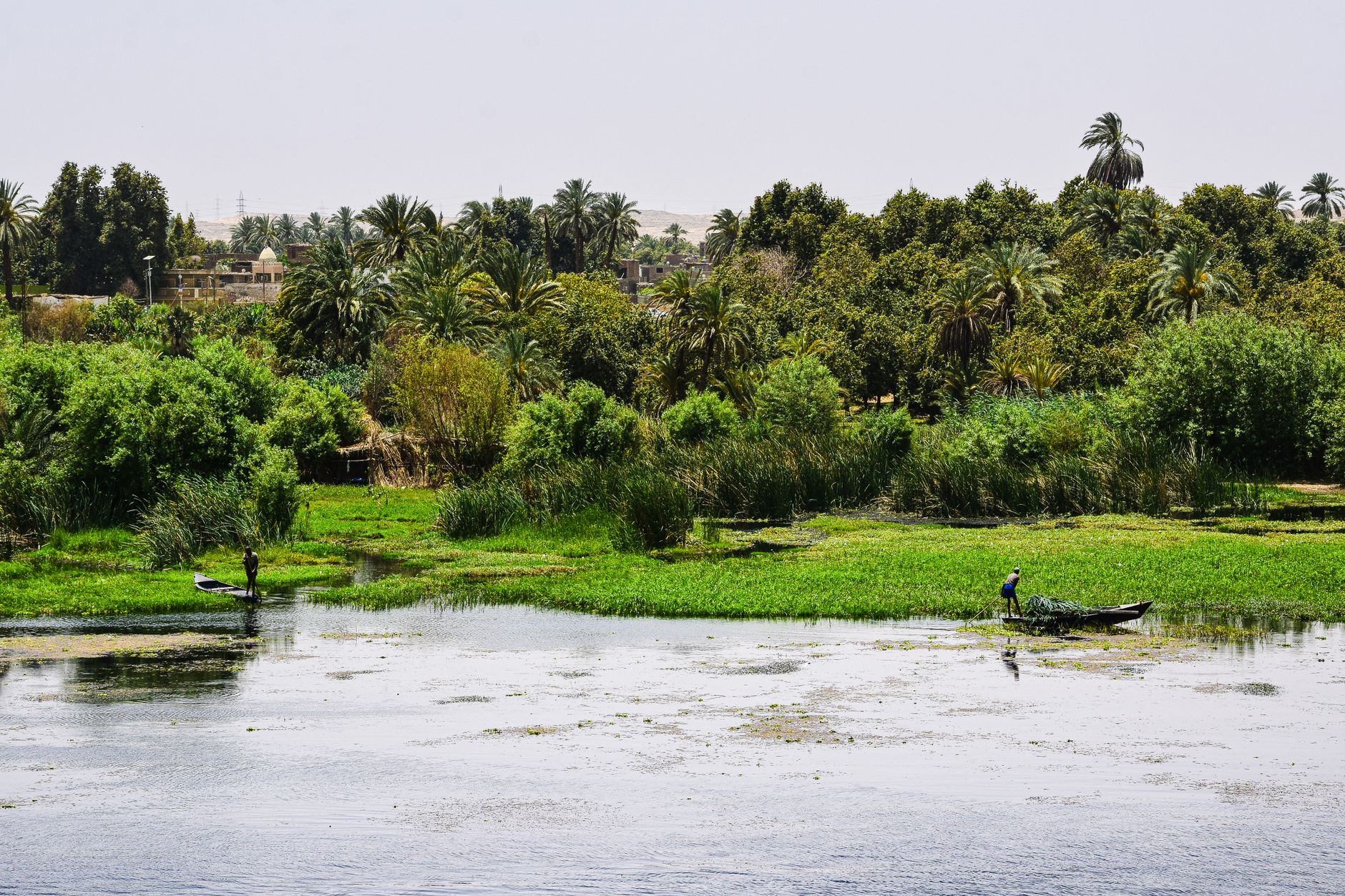
Egypt's strategic location along the East African–West Asian Flyway makes it a crucial corridor for birds traveling between Europe and Africa. Each year, over 1.5 million raptors and hundreds of thousands of storks, pelicans, and other waterbirds pass through the country. The Nile River, with its fertile banks and wetlands, provides a lush oasis in the desert, attracting a vast diversity of life. Additionally, the Red Sea coast and the Sinai Peninsula offer unique habitats for both resident and migratory species.
Top Birdwatching Sites in Egypt
1. Lake Nasser
Lake Nasser, one of the world's largest artificial lakes, is a haven for waterbirds. It hosts large populations of herons, egrets, and cormorants, as well as wintering ducks and geese. The lake's remote location ensures peaceful birding, with species like the African Skimmer and the Egyptian Goose. Boat trips from Aswan can reach the best spots.
2. Aswan and the Nile Valley
The Nile near Aswan is a birding hotspot, especially during migration. Look for the striking Pied Kingfisher, the colorful Bee-eater, and the endemic Nile Valley Sunbird. Felucca rides at sunset offer magical views of birds returning to their roosts.
3. Luxor and the West Bank
Luxor's agricultural fields and the Nile's banks attract a variety of species, including the Hoopoe, the White-breasted Kingfisher, and the graceful Black-winged Stilt. The Temple complexes, such as Karnak, are also home to nesting birds like the Little Owl.
4. Red Sea Coast and Mangroves
The Red Sea's mangrove forests, particularly around Marsa Alam and Hurghada, are vital for migratory waders. Species like the Greater Flamingo, the Osprey, and the Crab Plover can be spotted. Snorkeling and birdwatching can be combined for a unique experience.
5. Sinai Peninsula
The Sinai's mountains and the Gulf of Aqaba coast are excellent for raptor migration. In spring, thousands of Steppe Eagles, Levant Sparrowhawks, and Honey Buzzards pass overhead. The St. Katherine area is also home to the Sinai Rosefinch, a rare endemic species.
6. The Nile Delta and Lake Burullus
Lake Burullus is one of Egypt's most important wetlands, a Ramsar site. It supports a rich diversity of waterbirds, including the threatened Ferruginous Duck and the White-headed Duck. Winter months are particularly rewarding.
7. Wadi El Gemal National Park
Located south of Marsa Alam, this park combines desert and coastal habitats. It's a nesting site for the endangered Green Turtle and a feeding ground for many seabirds. Birders can spot the White-eyed Gull and the Sooty Falcon.
Best Seasons for Birdwatching
Spring Migration (March to May)
Spring is the most spectacular season, with millions of birds returning from Africa to breed in Europe. The Sinai and the Red Sea coast are prime spots to witness massive raptor migrations. The weather is pleasant, making it ideal for outdoor activities.
Autumn Migration (September to November)
Autumn sees the return journey, with a more dispersed migration. The Nile Valley and Lake Nasser are excellent for waterbirds. The weather starts to cool, and the crowds have thinned.
Winter (December to February)
Winter brings a host of European visitors, including ducks, geese, and waders. Lakes and wetlands are teeming with birds. The mild climate makes it a comfortable time to explore.
Summer (June to August)
Summer is hot, but it offers unique opportunities to see breeding residents like the Nile Valley Sunbird and the White-breasted Kingfisher. The Red Sea coast is also active with seabirds.
Practical Tips for Birdwatchers
- Hire a local guide: Knowledgeable guides can help you locate rare species and navigate the terrain.
- Bring binoculars and a field guide: Essential for identifying distant birds.
- Dress appropriately: Light, neutral-colored clothing helps you blend in and stay cool.
- Carry water and sun protection: The Egyptian sun can be intense.
- Respect wildlife: Keep a safe distance and avoid disturbing nesting sites.
Stay Connected with eSIM Égypte
As you explore Egypt's birding sites, staying connected is crucial for navigation, research, and sharing your sightings. Egypt eSIM plans from eSIM Égypte offer unlimited data, ensuring you have access to birding apps, maps, and social media wherever you go. With Egypt network coverage across all major networks, you'll never miss a rare bird sighting. Before you travel, check your phone compatibility to ensure a seamless experience. For any questions, our FAQ and contact are available in French and English.
Conclusion
Egypt's diverse landscapes and strategic location make it a world-class birdwatching destination. Whether you visit during the spectacular spring migration or the peaceful winter months, you'll be rewarded with unforgettable avian encounters. Plan your trip, pack your binoculars, and stay connected with eSIM Égypte for a seamless experience. Explore our plans today and get ready for an avian adventure like no other.